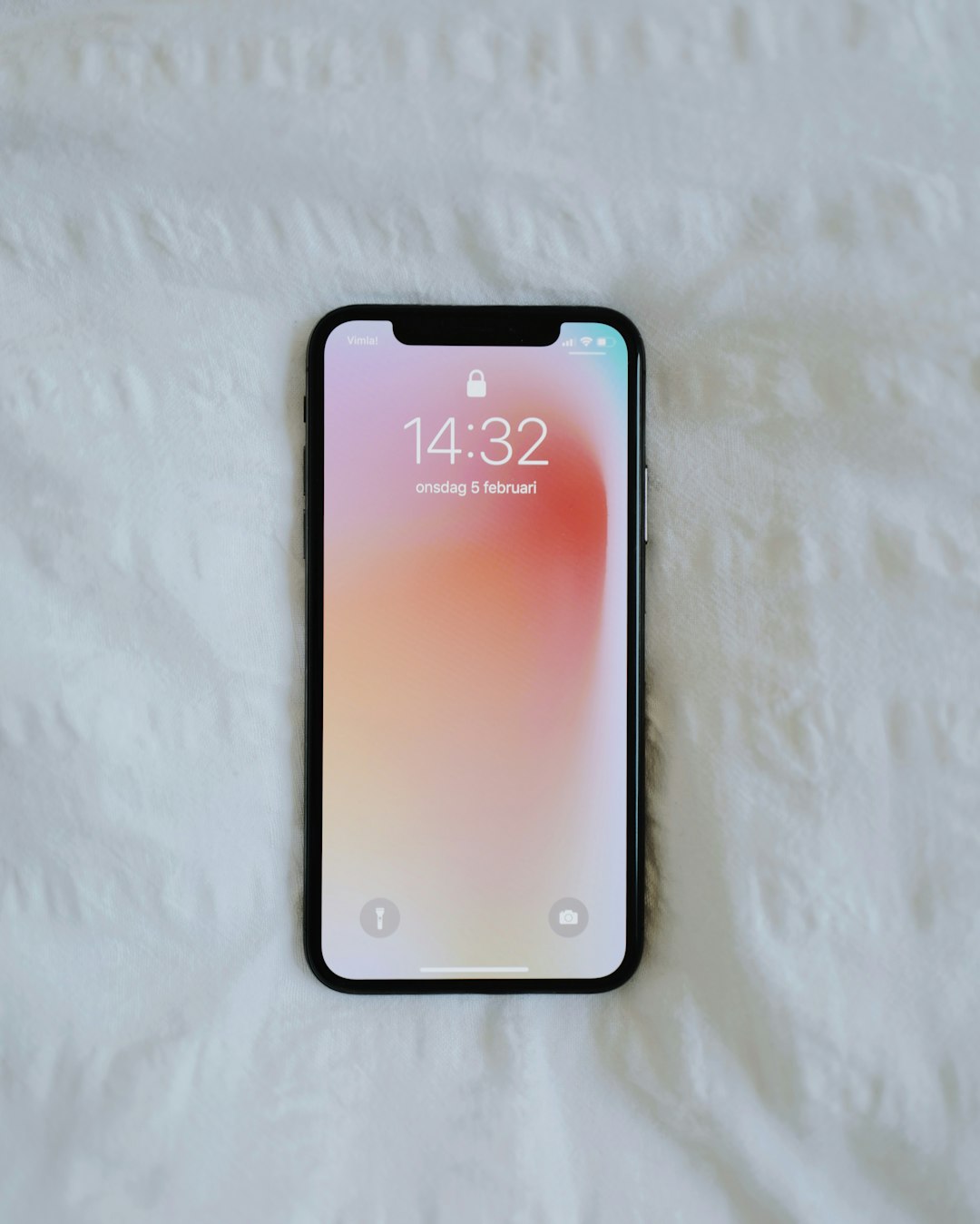
Robocalls have inundated Philadelphia, driven by marketing, debt collection, and political campaigns. While some are legitimate, many are scams. Residents can combat this with a dual approach:
1. Technological Solutions: Call-blocking apps like Hiya and TrueCall use AI to identify and block unwanted calls, offering customizable block lists, silent modes, and reporting.
2. Legal Expertise: A robocall lawyer Philadelphia navigates legal complexities like the TCPA, providing guidance on blocking calls, registering for the National Do Not Call Registry, and using specialized software.
By combining these strategies, Philadelphians can regain control over their communication channels, reduce privacy concerns, and foster a safer digital environment.
In today's digital age, robocalls have become a ubiquitous nuisance, frustrating residents across Philadelphia and beyond. These automated phone calls, often from telemarketers or scammers, can disrupt daily life and pose significant risks to consumer privacy. While traditional blocking methods are cumbersome and inefficient, a robust solution emerges in the form of user-friendly robocall blocker apps.
This article delves into the world of mobile applications designed to mitigate the deluge of unwanted calls, offering Philadelphians a powerful tool to reclaim their communication channels. We explore an innovative app tailored for local users, providing an easy-to-use barrier against robocalls, and empowering residents with peace of mind. For those seeking recourse, consulting a robocall lawyer in Philadelphia can offer further protection and guidance.
Understanding Robocalls: A Common Problem in Philadelphia
Robocalls have become a pervasive and increasingly annoying issue for residents of Philadelphia, much like a never-ending storm cloud hanging over their daily lives. These automated phone calls, often carrying pre-recorded messages or prompts, are designed to reach a wide audience quickly—a tactic that has proven effective in inundating Philadelphians with unwanted marketing, debt collection, or political messages. According to the Federal Communications Commission (FCC), millions of robocalls are placed daily across the country, with Philadelphia not being an exception. This deluge has sparked concern among citizens and prompted a search for effective solutions.
The problem is multifaceted, rooted in advancements in technology that have made it easier for call centers and scammers to automate their outreach efforts. While some robocalls offer valuable services or information, many fall into the category of nuisance calls, often masquerading as legitimate organizations. For instance, a recent study by TrueCall revealed that a significant number of robocalls in Philadelphia are associated with telemarketing scams, leaving residents wary and frustrated. This has led to a growing demand for robust solutions, particularly apps designed to block these unwanted calls.
Addressing this issue requires a comprehensive understanding of both the technology behind robocalls and the legal framework governing them. A robocall lawyer Philadelphia can offer specialized knowledge on navigating the complex regulations surrounding automated telemarketing practices. They can guide individuals in protecting their rights, ensuring compliance with laws like the Telephone Consumer Protection Act (TCPA) and providing strategies to mitigate the impact of excessive robocalls. By combining technological solutions with legal expertise, Philadelphians can reclaim control over their communication channels and enjoy a quieter, more peaceful environment.
The Rise of Call Blocking Apps: A Consumer's Guide
The proliferation of unwanted robocalls has sparked a revolutionary trend among consumers—the adoption of call blocking apps. In an era where phone calls have become a digital battleground, these applications offer a much-needed solution for Philadelphia residents dealing with persistent telemarketing calls. With the rise of sophisticated technology, robocallers are constantly finding new ways to bypass traditional blocking methods, making it a challenging yet essential task for consumers to protect their privacy and peace of mind.
Call blocking apps have emerged as a powerful tool in this ongoing battle. They leverage advanced algorithms and user-generated data to identify and block these unwanted calls. One notable example is the rise of robocall-specific apps that employ machine learning to adapt to new tactics used by telemarketers. These apps not only filter out sales pitches but also help users avoid potential scams, a growing concern for many Philadelphia consumers. According to recent studies, over 80% of Americans believe robocalls are a significant problem, underscoring the urgency for effective solutions.
When choosing a call blocking app, it's crucial to consider features like customizable block lists, silent mode options, and the ability to report suspicious calls. A reputable robocall lawyer in Philadelphia can provide valuable insights into the legal implications of these apps, ensuring users stay protected within the confines of privacy laws. By combining cutting-edge technology with legal expertise, consumers can effectively reclaim control over their communication channels. This proactive approach not only saves time and reduces frustration but also empowers individuals to focus on genuine connections without the constant distraction of unwanted calls.
Top Robocall Blocker Apps for Android and iOS Users

For Philadelphia residents dealing with relentless robocalls, finding an effective solution can be a game-changer. One of the most straightforward approaches is to utilize specialized robocall blocker apps designed for Android and iOS devices. These applications have gained significant popularity due to their ease of use and robust blocking capabilities. Topping the list for many users are apps like Hiya and TrueCall, renowned for their advanced AI-driven technology.
Hiya, for instance, employs machine learning algorithms to identify and block various types of unwanted calls, including telemarketing, sales, and fraudster attempts. The app offers a comprehensive call history log, allowing users to review blocked robocalls and even report suspicious numbers. Similarly, TrueCall leverages crowdsourced data to constantly update its blocking lists, ensuring that emerging robocall patterns are addressed promptly. These apps provide a user-friendly interface, making it effortless for Philadelphia residents to manage their call settings and protect themselves from intrusive robocalls.
Moreover, some robocall blocker apps offer additional features like call screening and personalized filtering. By integrating with your device's dialer, these apps can intelligently route calls, allowing you to decide whether to answer based on the caller's identity and reputation. For instance, a robocall lawyer in Philadelphia might be recognized as a legitimate contact, while unknown numbers or those associated with high call volumes could be automatically blocked. With such advanced features, users can take control of their communication and create a safer, less disruptive phone experience.
How a Robocall Lawyer Philadelphia Can Help You

In today's digital age, robocalls have become a ubiquitous yet often annoying part of daily life for many Philadelphians. While some calls offer valuable services or information, others are nothing more than intrusive marketing attempts, posing as legitimate business inquiries. This is where a Robocall Lawyer Philadelphia steps in as a crucial ally.
A Robocall Lawyer Philadelphia specializes in navigating the complex legal landscape surrounding automated telephone marketing and unwanted robocalls. They possess an in-depth understanding of federal and state regulations designed to protect consumers from excessive or deceptive telemarketing practices. For instance, the Telephone Consumer Protection Act (TCPA) grants individuals the right to sue for damages caused by unsolicited robocalls. Armed with this knowledge, a Robocall Lawyer Philadelphia can help you assert your rights, providing legal counsel tailored to your specific situation.
These lawyers offer practical insights into blocking and managing robocalls effectively. They can guide you in registering your phone number on the National Do Not Call Registry, a federal list that restricts most telemarketing calls. Moreover, they can assist with implementing robust call-blocking apps or software solutions, ensuring a more peaceful experience. For example, many robocall lawyers advocate for using reputable blocking apps known to filter out not only automated sales calls but also spam and scam attempts. By combining legal expertise with technological advancements, a Robocall Lawyer Philadelphia empowers individuals to reclaim control over their communication channels.
Protecting Your Privacy: Best Practices for Call Screening

In today's digital age, robocalls have become a persistent nuisance, invading personal privacy with alarming frequency. However, Philadelphia residents now have access to powerful tools to reclaim their peace of mind—robocall blocker apps. One such app, designed specifically for the Philadelphia area, offers advanced call screening features that not only block unwanted calls but also educate users on protecting their privacy.
Privacy is a top concern in an era where personal data is valuable currency. A recent study by the Federal Trade Commission (FTC) revealed that over 4.3 billion robocalls were placed in the United States last year, with many targeting individuals across Pennsylvania. This surge in automated calls has led to increased privacy concerns, prompting legal experts like robocall lawyers in Philadelphia to advocate for stronger consumer protections. The app's call screening functionality enables users to set custom rules, block specific numbers, and even record call attempts, empowering them to take control of their communication channels.
Best practices for call screening involve a multi-faceted approach. Users should regularly review and update their blocking lists, ensuring that known telemarketers and scammers are consistently blocked. Additionally, enabling automatic call identification (ACI) features can provide valuable insights into the nature of incoming calls, allowing users to make informed decisions about whether to answer or block. By adopting these strategies, Philadelphia residents not only protect their privacy but also contribute to a significant reduction in robocalls, creating a safer and more secure communication environment.