Philadelphia residents face a surge in robocalls, prompting the need for robust protection. The Telephone Consumer Protection Act (TCPA) offers consumer safeguard; however, loopholes exist. Specialized robocall blocking apps like TruthFinder and NoMoRobo reduce unwanted calls by up to 70%. Consulting with robocall lawyers Philadelphia provides legal defense, guides residents on rights, and seeks compensation for privacy invasions. These attorneys offer app suggestions, do-not-call registry advice, and communication strategies against telemarketers.
In today’s digital age, robocalls have become an increasingly prevalent nuisance, with Philadelphia residents often facing a deluge of unsolicited calls from telemarketers and scammers. This not only disrupts daily life but also poses risks to personal security and financial well-being. Legal action against these calls is available through robocall lawyers in Philadelphia, but preventing them from reaching your phone is a more proactive approach. We explore the best robocall blocking apps designed specifically for Philadelphia residents, offering a robust solution to mitigate this modern-day frustration and ensure peace of mind.
Understanding Robocalls in Philadelphia: Legal Perspective
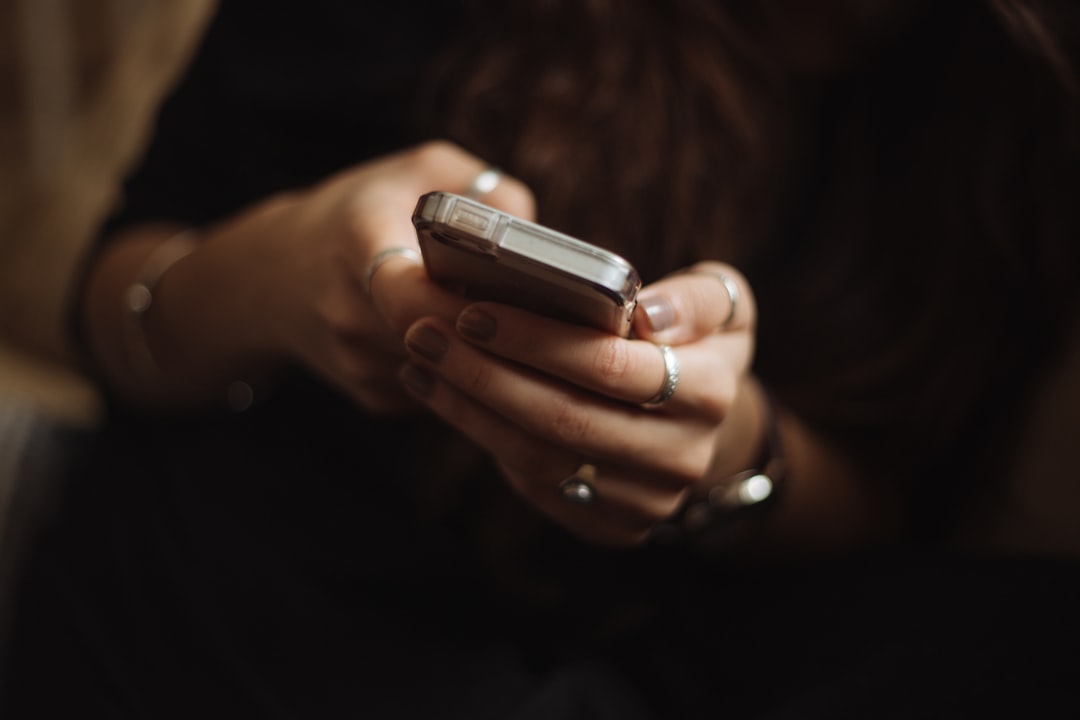
Robocalls have become a ubiquitous nuisance across Philadelphia, with residents often facing an overwhelming number of automated calls daily. While many apps aim to block these unwanted intrusions, understanding the legal perspective is crucial for effective robocall management. In Pennsylvania, the Telephone Consumer Protection Act (TCPA) provides significant protections for consumers against abusive robocalling practices. This federal law prohibits automated or prerecorded calls from being placed to any telephone number without the prior express consent of the called party.
Philadelphia residents should be aware that certain types of organizations, like political campaigns, non-profits, and debt collectors, are exempt from some TCPA restrictions under specific circumstances. For instance, charitable organizations may still call individuals who have granted general permission for such calls. However, these exemptions come with strict guidelines, and robocall lawyers Philadelphia can offer valuable insights into navigating these legal complexities. The TCPA also allows consumers to register their phone numbers on the National Do Not Call Registry, which mandates that businesses refrain from calling registered numbers without prior consent.
Despite these legal safeguards, robocallers often find loopholes and exploit them, making it a constant cat-and-mouse game. Philadelphia residents can take proactive measures by staying informed about their rights, regularly reviewing call records for unauthorized activity, and considering the use of advanced robocall blocking apps that employ sophisticated algorithms to identify and block these calls at the network level. Engaging the services of robocall lawyers Philadelphia can also empower individuals to fight back against aggressive or unlawful robocalling practices.
Top Robocall Blocking Apps for Philly Residents
Philadelphia residents, like many across the nation, face a persistent problem with robocalls—unwanted automated phone calls from telemarketers, scammers, and other unknown sources. While traditional blocking techniques offer some relief, dedicated robocall-blocking apps have emerged as powerful tools to combat this nuisance. These applications leverage advanced technologies such as machine learning algorithms and extensive call databases to identify and block unwanted calls, ensuring a quieter, safer communication environment.
Among the top robocall-blocking apps for Philly residents are TruthFinder and NoMoRobo. TruthFinder stands out with its robust feature set, including not only blocking but also comprehensive background check capabilities. The app integrates with your phone’s address book and call history to learn patterns of incoming calls, quickly identifying and filtering out known telemarketers and scammers. NoMoRobo, on the other hand, excels in real-time call detection and blocking, utilizing a vast global database of robocall signatures. It offers additional features like Call Score, which rates the likelihood of a call being a scam, empowering users to make informed decisions before answering.
The effectiveness of these apps is supported by recent studies showing significant reductions in robocalls received by active users. According to a report by Consumer Reports, users of popular robocall-blocking apps experienced up to 70% fewer unwanted calls within just a few months of adoption. Moreover, robocall lawyers Philadelphia and consumer protection agencies encourage the use of these tools as proactive measures against fraud and identity theft. By blocking or screening calls from known scammer numbers, residents can significantly lower their risk of falling victim to sophisticated phishing schemes and other forms of telephone-based scams.
How to Choose the Best Anti-Robocall Solution

Selecting the optimal robocall blocking app is a significant step toward safeguarding Philadelphia residents from intrusive automated calls. With numerous options available, choosing the right anti-robocall solution demands a thoughtful evaluation of individual needs and features. A robust app should offer not just blocking capabilities but also advanced call screening, do-not-disturb modes, and customizable settings to cater to diverse user preferences.
For instance, consider apps that integrate machine learning for dynamic call classification. This technology enables the app to learn patterns and identify potential robocalls more accurately over time, ensuring residents are protected against evolving scams. Additionally, seeking apps with a proven track record of success is essential. Reviewing user feedback and case studies can provide insights into their effectiveness in blocking unwanted calls, especially from known telemarketing and fraudster numbers.
Moreover, privacy features should be a top priority. Some apps offer advanced call tracking transparency, allowing users to see who’s calling even if they’re blocked. This empowers residents to make informed decisions about whether to answer or forward calls, enhancing their overall security. Consulting with robocall lawyers in Philadelphia can also guide your selection process by highlighting legal protections and industry trends, ensuring you choose a solution that aligns with both effective protection and compliance with local regulations.
Protecting Your Privacy: Consulting Robocall Lawyers Philadelphia
Philadelphia residents face a relentless influx of unwanted robocalls, posing significant threats to personal privacy. This growing problem has prompted many to seek robust solutions, with one effective approach being the utilization of specialized robocall blocking apps. However, beyond technology, consulting with robocall lawyers Philadelphia offers an essential layer of protection and guidance. These legal experts can help residents navigate complex privacy laws and take proactive measures against intrusions.
Robocall lawyers in Philadelphia specialize in consumer protection and telephone consumer privacy laws (TCPA), which regulate automated telemarketing calls. They provide invaluable insights into the legal framework surrounding robocalls, enabling residents to understand their rights and available remedies. For instance, many consumers have successfully taken legal action against companies violating TCPA, resulting in substantial financial compensation for invasion of privacy. By engaging such lawyers, Philadelphia residents can safeguard their personal information and deter abusive calling practices.
Beyond legal recourse, robocall attorneys Philadelphia often offer practical advice on minimizing robocalls. This may include suggesting the use of advanced call-blocking apps tailored to local area codes and known robocall patterns. They also educate clients on do-not-call registries and effective communication strategies with telemarketers. By combining legal expertise and practical solutions, these attorneys empower residents to reclaim their privacy in an era increasingly dominated by digital communications.