
Philadelphia residents face a pervasive robocall issue with over 2.5 million complaints recorded in 2021. To combat this, they should:
1. Familiarize themselves with Pennsylvania's Do Not Call laws and register phone numbers to block most telemarketing calls.
2. Stay informed about scamming tactics.
3. Share awareness within the community.
Apps like TrueCall and Hiya offer AI-driven call blocking, screening, and reporting features, but don't eliminate all robocalls. Combining app tools with legal awareness is crucial, especially for dealing with Do Not Call law firms in Philadelphia. Proactive measures like immediately hanging up on unwanted calls, blocking callers, and registering with state and national lists can significantly reduce robocalls.
With the proliferation of robocalls, Philadelphia residents face a growing nuisance and privacy concern. Automated phone calls from unknown sources have become increasingly common, often promoting unwanted services or attempting to sell products. While some may find them entertaining, many are left frustrated by these persistent calls, especially those from law firms. Navigating this issue, we focus on an effective solution: the best robocall apps designed to safeguard your peace of mind and protect you from unwanted legal solicitations in Philadelphia. By exploring these applications, residents can reclaim control over their phone lines.
Understanding Robocalls: A Philadelphia Resident's Guide

Robocalls have become a ubiquitous part of modern life for Philadelphia residents, often posing as a nuisance or even a potential threat. Understanding these automated calls and their implications is crucial for any citizen aiming to protect themselves from fraudulent activities and unwanted interruptions. This guide delves into the intricacies of robocalls, focusing on what they are, how they operate, and most importantly, strategies to mitigate their impact.
In recent years, the rise in automated phone calls has been significant, with a vast majority of Americans—including Philadelphians—receiving unsolicited calls from various sources, including political campaigns, telemarketers, and fraudulent schemes. According to the Federal Trade Commission (FTC), over 2.5 million robocall complaints were received in 2021 alone, underscoring the pervasive nature of this issue. What's more concerning is that these numbers only represent reported incidents, suggesting a far higher actual volume. Philadelphia residents should be aware that while many robocalls are innocuous, others can signal serious concerns, such as identity theft attempts or scams preying on personal information.
To combat this growing problem, it's essential for Philadelphians to familiarize themselves with the Do Not Call laws in their state. Pennsylvania has specific regulations that allow residents to register their phone numbers on a "Do Not Call" list, effectively blocking most telemarketing and sales calls. This simple step can significantly reduce the number of robocalls received. Additionally, staying informed about common scamming tactics and sharing awareness with neighbors can foster a more robust defense against these automated intruders. By combining legal protections and community vigilance, Philadelphia residents can reclaim their phone lines from unwanted interruptions.
Top Robocall Apps for Philly: Features & Effectiveness
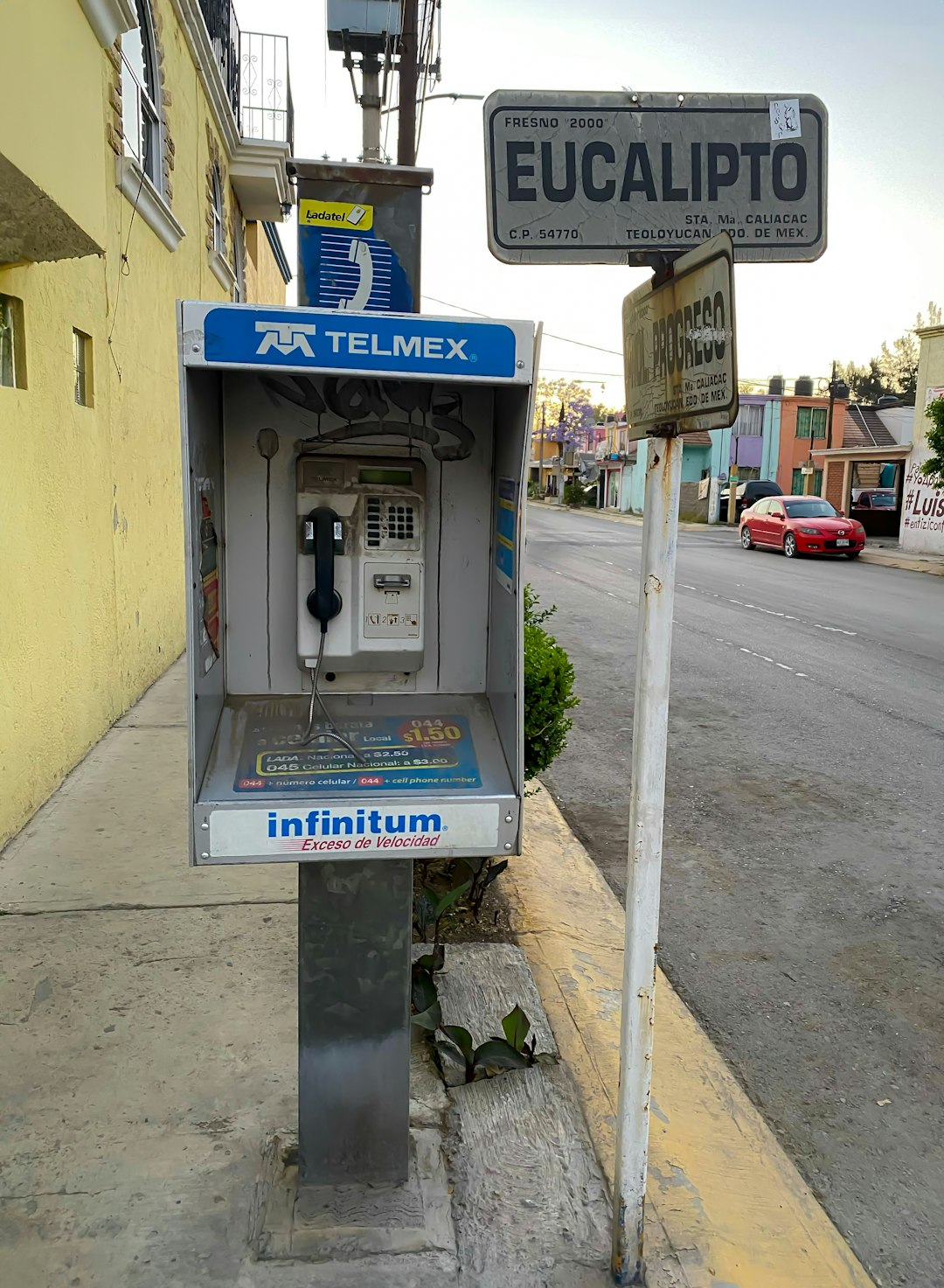
For Philadelphia residents looking to combat unwanted robocalls, several robust apps stand out for their advanced features and effectiveness. Among the top contenders, TrueCall and Hiya emerge as industry leaders, offering a comprehensive suite of tools designed to identify, block, and protect users from spam calls.
TrueCall, for instance, employs sophisticated AI algorithms to analyze incoming calls, accurately identifying robocallers with impressive accuracy rates. Its call screening feature allows users to preview caller information before answering, enabling them to filter out unwanted calls effortlessly. Additionally, TrueCall provides a Do Not Call registry integration, ensuring compliance and further reducing spam calls. Similarly, Hiya leverages machine learning to create a global call intelligence network, which helps in identifying not just robocalls but also scam attempts from unknown numbers. This app's ability to learn from user feedback continuously improves its accuracy over time.
Beyond blocking capabilities, both apps offer valuable features like call recording and extensive call history logs, facilitating users' ability to document and report spam calls to relevant authorities, such as the Federal Trade Commission (FTC) or the Pennsylvania Attorney General’s Office. However, it's crucial for Philadelphia residents to remember that these apps are tools in a multi-pronged approach. While they significantly reduce the volume of robocalls, they don't entirely eliminate them. Staying informed about Do Not Call laws in Philadelphia and reporting excessive spam calls can further protect residents from aggressive telemarketing practices, ensuring a quieter, more peaceful communication environment.
Avoiding Nuisance Calls: Do's and Don'ts for Philadelphia
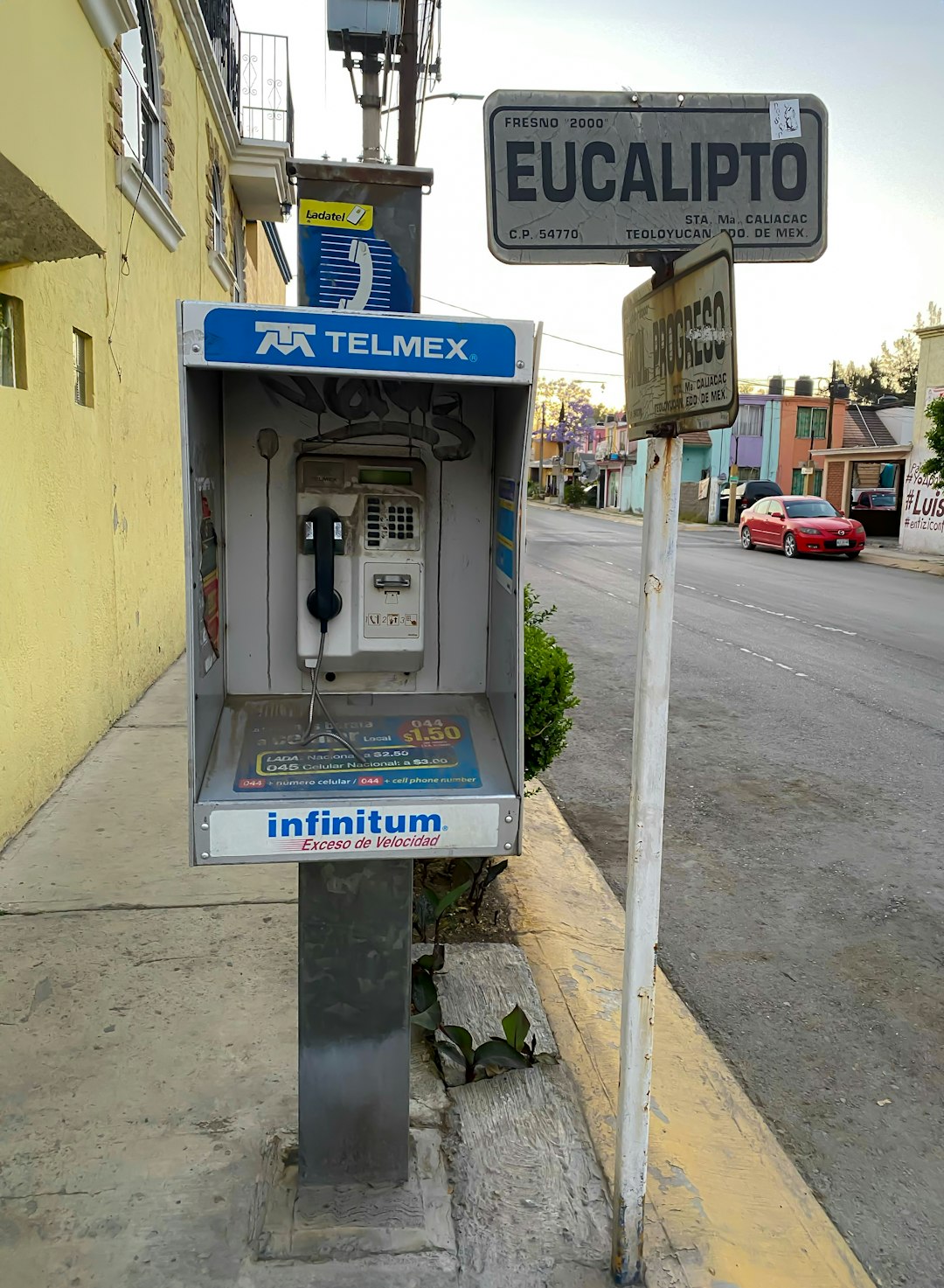
Philadelphia residents face a unique challenge with robocalls, often receiving an excessive number of automated calls, particularly from law firms. To combat this nuisance, it's essential to understand both the legal framework and practical strategies. The Do Not Call Registry, enforced by the Federal Trade Commission (FTC), offers some protection but isn't foolproof when dealing with law firm robocalls. According to FTC data, only about 40% of consumer complaints regarding unwanted calls involve telemarketing firms, with a significant number coming from legal entities.
Avoiding nuisance calls requires a multi-pronged approach. First, don't engage or respond, as any interaction can encourage further calls. Instead, immediately hang up and consider blocking the caller using your phone's settings. Many robocallers use automated systems that can be fooled by simply ending the call quickly. Second, register with both state and national "Do Not Call" lists. In Pennsylvania, you can enroll in the state Do-Not-Call Registry, while the FTC's national list covers most other areas. However, be aware that law firms are exempt from some regulations, so these measures alone might not stop all firm-related robocalls.
For added protection, review your call history regularly and block numbers associated with persistent or suspicious calls. Many apps now offer advanced blocking features specifically targeting nuisance calls. Some even use AI to learn patterns and automatically filter out unwanted callers. While no app can guarantee 100% protection, these tools provide an extra layer of defense. Remember, the best strategy is proactivity—by taking these steps, Philadelphia residents can reclaim control over their phone lines and reduce the burden of robocalls, especially from Do Not Call law firms.