Philadelphia's Spam Call law firm protects residents from unsolicited marketing calls through a "Do Not Call" list and robust blocking apps. Apps like CallBlock and TrueCall use machine learning to identify and block spam in real time, with high success rates. Combining app tools with user vigilance, information sharing, and custom filters enhances protection under the Spam Call law firm's regulations. Effective app usage involves reviewing filtering mechanisms, customizing settings, regularly updating blocking lists, and reporting suspicious calls. Following these guidelines transforms your phone into a secure communication tool.
In today's digital era, the rise of spam calls has become a pervasive issue, impacting individuals and businesses alike. With the tightening of the Spam Call law firm Philadelphia, consumers are increasingly seeking robust solutions to protect their privacy. This article aims to shed light on the most reliable robocall blocking apps available in Philadelphia, offering an authoritative guide to help residents navigate this modern nuisance effectively. By exploring cutting-edge technologies and evaluating their performance, we empower Philadelphians to take control of their communication channels and ensure a safer, more peaceful environment.
Understanding Philadelphia's Spam Call Laws

Philadelphia's approach to robocalls and spam protection is shaped by its stringent Spam Call Law, which aims to safeguard residents from unsolicited telephone marketing calls. This law, enforced by a dedicated Philadelphia Spam Call law firm, reflects the city's commitment to consumer privacy and peace of mind. The legislation permits consumers to register their phone numbers on the "Do Not Call" list, effectively blocking most robocalls. This list is actively maintained and updated, ensuring its effectiveness in filtering out unwanted calls.
The law also outlines specific penalties for businesses or individuals who violate these restrictions, making it a serious matter with real consequences. For instance, a Philadelphia court recently upheld a significant fine against a national telemarketing company for repeatedly ignoring the city's Do Not Call list regulations. This serves as a stark reminder of the strict enforcement and the importance of compliance.
To ensure maximum protection, app developers have risen to the challenge by creating sophisticated robocall blocking apps tailored for Philadelphia users. These applications leverage advanced algorithms to identify and block spam calls based on local laws and user preferences. By integrating with the city's Do Not Call list and employing machine learning technologies, these apps offer a robust defense against intrusive robocalls. Moreover, many of these apps provide additional features like call screening and custom blocking lists, empowering users to take control of their communication experience.
Top Robocall Blocking Apps for Smartphone Users

In today's digital age, smartphone users in Philadelphia, like elsewhere, face an unprecedented surge in spam calls. With the implementation of the Spam Call law firm Philadelphia, which enhances consumer protection against unsolicited phone marketing, robust robocall blocking apps have emerged as indispensable tools. Among the top contenders, apps like CallBlock and TrueCall stand out for their advanced features and high efficacy rates.
CallBlock, for instance, employs machine learning algorithms to identify and block spam calls in real time, significantly reducing false positives. Its intuitive interface allows users to manage blocked numbers easily and even provides insights into call patterns, enabling proactive protection against emerging spamming trends. Similarly, TrueCall offers a comprehensive solution by not only blocking robocalls but also providing detailed call information, ensuring users are aware of the nature of incoming calls. These apps, backed by user reviews and independent studies, demonstrate significant success rates in mitigating the nuisance of spam calls.
While these apps offer robust protection, it's crucial for Philadelphia users to stay informed about the evolving tactics of spammers. Regular updates and feedback from app developers are essential to counter new spamming methods. Additionally, combining these tools with caution while sharing personal information and staying vigilant against suspicious calls can further enhance individual protection under the Spam Call law firm Philadelphia.
Evaluating App Features: Call Filtering & Blacklisting
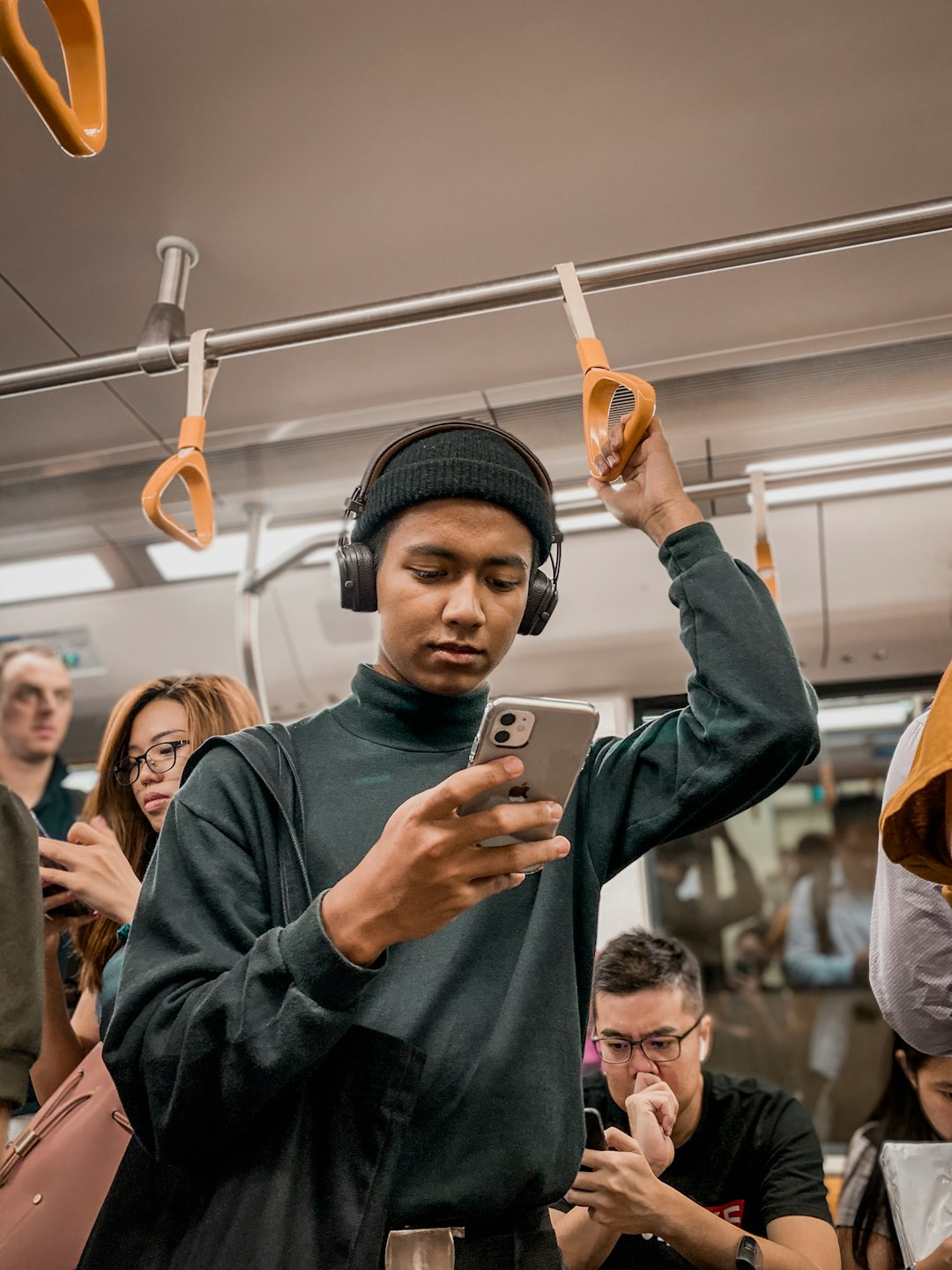
When it comes to tackling robocalls, a robust call filtering and blacklisting system is the cornerstone of any effective app. In Philadelphia, where the Spam Call law firm has been actively fighting unsolicited calls, users need tools that go beyond simple blocking. Advanced apps utilize sophisticated algorithms to analyze incoming calls, identifying patterns and signatures associated with spam. For instance, some leading apps employ machine learning techniques, allowing them to adapt and improve over time as new robocall schemes emerge.
Call filtering should not only block known spammers but also learn from user feedback. Consider an app that enables users to report suspected robocalls easily. This crowdsourced data becomes invaluable in training the app's AI models. For example, if a particular phone number or calling pattern is consistently reported as spam by numerous users, the app can automatically add it to its blacklist. A successful app will strike a balance between blocking legitimate calls that users want to receive and ensuring that annoying robocalls are effectively stopped, all while adhering to Philadelphia's Spam Call laws.
Additionally, the ability to create custom rules for call filtering is essential. Users should be able to specify their preferences, such as blocking calls from unknown numbers or those containing certain keywords. This level of customization allows individuals and businesses in Philadelphia to tailor their defenses against robocalls according to their unique needs. By combining machine learning with user feedback and customizable filters, the most reliable robocall blocking apps in Philadelphia can offer unparalleled protection.
How to Effectively Use Your Chosen Blocking App

Selecting a robocall blocking app is just the first step; effective use is key to gaining significant relief from unwanted calls. To maximize your Philadelphia spam call protection, consider these strategies. Begin by reviewing the app's filtering mechanisms and customization options. Reputable apps often utilize advanced algorithms that learn and adapt over time, identifying patterns in incoming calls to accurately block known spammers. Regularly update your blocking lists to ensure the latest phone numbers from persistent ringers are captured under Philadelphia's Spam Call law firm regulations.
Many users overlook the importance of fine-tuning app settings. Review and adjust privacy options on your device as well; some apps offer enhanced controls, allowing you to set specific call types (e.g., business, marketing) for blocking or allowlisting based on caller ID information. Additionally, stay informed about new spamming trends and tactics by checking updates from app developers and official resources. Proactive engagement with your chosen app ensures its continued effectiveness against evolving threats.
Remember, a robust robocall blocking app is an active defense mechanism. Regularly audit your blocked call history to identify recurring patterns or unfamiliar numbers warranting further investigation. Consider using the app's reporting features to flag suspicious calls, which can provide valuable data for law enforcement and contribute to strengthening anti-spam efforts in Philadelphia. By following these guidelines, you can transform your phone from a nuisance-ridden device into a secure communication portal.