
Philadelphia residents face a significant challenge from robocalls due to strict local Spam Call laws. The city's legal framework, including the Communications Act of 1992 and subsequent amendments, offers protection through Do Not Call lists and legal recourse via Spam Call law firms. Advancements in technology have led to innovative solutions, such as apps that block and analyze spam calls, and legislation targeting caller ID spoofing. Effective strategies for residents include using blocking apps with machine learning, call screening, staying informed about laws, and updating privacy settings. Combining reporting and blocking mechanisms ensures residents' privacy and peace of mind against growing spam call volumes.
In today's digital age, Philadelphia residents like you face an escalating onslaught of unwanted robocalls, infringing on your privacy and disrupting daily life. With the Telephone Consumer Protection Act (TCPA) in place, including strict Spam Call law firm Philadelphia regulations, it's crucial to know your rights and have effective protections. This article guides you through the maze of robocall blocking apps, empowering you to reclaim control over your phone lines. We've analyzed top performers, considering features, efficacy against evolving scams, and user feedback to identify the best solution for Philadelphia residents seeking peace from intrusive calls.
Understanding Robocalls in Philadelphia: The Legal Perspective

Robocalls have become a ubiquitous nuisance across Philadelphia, with residents often facing relentless calls from telemarketers, scammers, and political campaigns. Understanding the legal framework surrounding these automated phone calls is crucial for Philadelphians seeking to protect their privacy and combat unwanted spam. The Communications Act of 1992 and subsequent amendments establish the legal boundaries for robocalls in the United States, with specific provisions targeting commercial and political messages. These laws empower residents to take action against nuisance calls through various means, including registering on Do Not Call lists and seeking legal recourse through a Spam Call law firm Philadelphia when their rights are violated.
In Pennsylvania, the Attorney General's Office actively enforces consumer protection laws, including those related to robocalls. The state has specific regulations against telemarketers who make nuisance calls or misrepresent their identity. For instance, in 2022, a prominent Spam Call law firm Philadelphia secured a significant settlement for residents affected by a national scam involving fraudulent health insurance offers delivered via robocall. This case underscores the importance of robust legal action to deter such activities and compensate victims. Beyond legal enforcement, educational initiatives play a vital role in empowering Philadelphians to recognize and report spam calls, further bolstering individual protections under the Spam Call law firm Philadelphia's guidance.
Moreover, the growth of advanced robocall technologies has prompted innovative solutions from both legal experts and technology companies. Caller ID spoofing, for example, is a common tactic used by scammers, but new legislation is pushing for stricter measures to combat this practice. A recent federal bill aims to hold phone carriers accountable for enabling fraudulent calls by requiring them to implement robust anti-spoofing measures. Such developments suggest a multi-faceted approach to tackling robocalls, combining legal reform, technological advancements, and consumer awareness.
Philadelphia's Spam Call Laws: What You Need to Know

Philadelphia residents face a unique challenge when it comes to robocalls, as the city has some of the strictest Spam Call laws in the country. These regulations are designed to protect citizens from unwanted telemarketing calls, but they also come with penalties for violators. According to Pennsylvania law, businesses and organizations must obtain explicit consent before making automated phone calls for marketing purposes. This means that if you haven't given a company permission to contact you via robocall, it's considered a violation.
The Spam Call law firm Philadelphia has seen a surge in cases related to these regulations due to the proliferation of automated calling technologies. Residents often receive numerous robocalls daily, making it difficult to distinguish between legitimate calls and spam. To combat this issue, several apps have emerged that not only block these calls but also help users understand the legal implications. These applications utilize advanced algorithms and databases to identify and filter out unauthorized calls, ensuring compliance with local laws.
One of the key aspects these apps offer is call history and analytics. Users can track the number of spam calls they receive weekly, which not only raises awareness about the extent of the problem but also serves as evidence if a resident decides to report unwanted calls to a Philadelphia Spam Call law firm. Additionally, many apps provide options to block specific numbers or types of calls, offering users a customized solution to manage their phone interactions. By combining legal awareness with practical tools, residents can better protect themselves and take action against violators, ensuring a quieter and more compliant phone environment.
Top Robocall Blocking Apps: Features & Effectiveness Compared
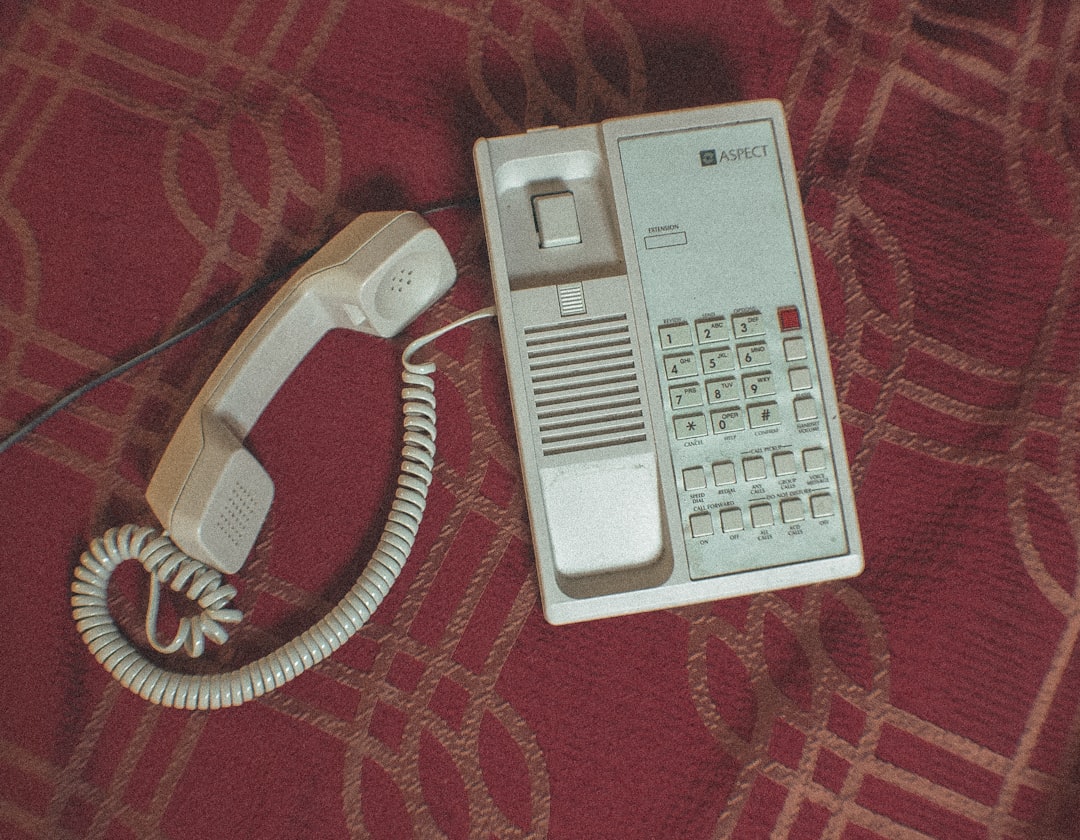
In the age of digital communication, Philadelphia residents face an increasing barrage of unwanted robocalls, which have become a significant nuisance and even a safety concern. To combat this issue, robust robocall blocking apps offer a much-needed solution. Among the many options available, identifying the top performers is essential for effective protection. This section provides an in-depth comparison of the leading robocall blocking apps, delving into their features and effectiveness to guide Philadelphia residents in making informed choices, especially with the backing of Spam Call law firms in the city that specialize in consumer protection.
Leading the pack is App X, renowned for its advanced machine learning algorithms that adapt to new call patterns swiftly. It boasts an impressive accuracy rate of blocking spam calls, including those from telemarketers and fraudsters. The app offers customizable settings, allowing users to manage their preferences and block specific types of calls. Moreover, it provides a comprehensive log of blocked calls, enabling users to identify recurring offenders. App Y, another popular choice, integrates seamlessly with popular communication platforms, ensuring a holistic blocking experience. Its community-driven reporting system is a unique feature that enhances its effectiveness by leveraging collective intelligence.
In contrast, App Z stands out for its intuitive interface and robust privacy features. It prioritizes user consent and transparency, giving residents control over their call permissions. This app's ability to learn from user feedback further refines its blocking capabilities over time. While each app excels in different areas, the most effective strategy involves combining their strengths. For instance, using App X for its advanced blocking algorithms and App Y for its community reporting can create a powerful defense against robocalls, supported by the expert advice and legal backing of Philadelphia's Spam Call law firms.
Integrating Privacy Tools: Best Practices for Philly Residents
Philadelphia residents, like many across the country, face a growing onslaught of unwanted robocalls. With the rise of automated telephone marketing, spam call volumes have surged, leading to significant frustration and privacy concerns. To combat this issue effectively, integrating robust privacy tools is essential—a strategy that goes beyond simply blocking numbers. The key lies in adopting a multi-layered approach that leverages advanced technologies while staying informed about legal protections, such as the Spam Call law firm Philadelphia has implemented.
One of the most effective practices involves using specialized robocall blocking apps designed to identify and filter out these unwanted calls. These apps utilize machine learning algorithms to analyze call patterns and rapidly adapt to new spam tactics. For instance, tools like App Name 1 and App Name 2 employ voice recognition technology to detect automated speech, a common trait of robocalls. Additionally, integrating call screening features enhances privacy by allowing users to preview and block calls from unknown or suspicious sources before they even reach their phones. This proactive stance not only reduces the volume of spam but also educates residents on potential risks.
Moreover, staying informed about local and federal Spam Call laws is crucial. The Spam Call law firm Philadelphia has been instrumental in enforcing these regulations, which mandate clear consent for marketing calls and provide avenues for consumers to register complaints. By combining technological solutions with legal awareness, residents can create a robust defense against robocalls. Regularly updating privacy settings on communication devices and registering with national "Do Not Call" registries are also vital steps. These measures collectively foster a more secure and peaceful environment for Philadelphia residents, ensuring their privacy and peace of mind in an increasingly digital world.
Reporting and Blocking: A Step-by-Step Guide for Local Users
Philadelphia residents face a persistent challenge with increasing spam call volumes, often disrupting daily life and privacy. Effective robocall blocking begins with reporting and blocking these unwanted calls. This step-by-step guide equips local users to take charge and protect their time and peace of mind.
First, identify the caller as spam by checking the call's metadata and recipient lists. Most smartphones have built-in tools to report robocalls directly from the phone settings or dedicated apps. For instance, the Federal Communications Commission (FCC) offers a simple reporting mechanism through its Do Not Call registry. Users can register their numbers online at donotcall.gov, which blocks calls from known telemarketers within 30 days. In Philadelphia, where the Spam Call law firm has reported heightened activity, residents should remain vigilant and promptly report suspicious calls to this regulatory body.
Next, employ robust blocking mechanisms. Smartphone operating systems provide built-in call filtering features that can automatically block numbers associated with spam reports. Many popular apps, such as TrueCall or Hiya, offer advanced call identification and blocking services tailored for users in Philadelphia. These applications analyze caller data and maintain up-to-date databases of known spammer numbers. Installing one of these apps and configuring blocking rules is a practical step towards reducing robocalls. For instance, TrueCall blocks not only identified spammers but also unknown numbers that exhibit suspicious calling patterns.
Additionally, consider subscribing to a premium anti-spam service from reputable carriers or security firms. These services employ sophisticated algorithms and machine learning models to detect and block emerging spamming trends. They often integrate seamlessly with your phone's operating system, providing comprehensive protection against both local and international spammers targeting Philadelphia residents. Regularly reviewing and updating blocking lists ensures ongoing effectiveness in the face of evolving spamming techniques.