Philadelphia residents are plagued by robocalls, prompting a search for solutions. Robocall lawyers offer guidance on blocking unwanted calls and navigating TCPA regulations. Apps like TrueCall and Hiya aid in spam call prevention, but users must choose compliant options. Lawyers assist in identifying violators, seeking damages, and implementing local blocking strategies. With over 80% experiencing daily robocalls, these experts foster a quieter communications environment.
In today’s digital age, unwanted robocalls have become a persistent nuisance for Philadelphia residents, disrupting their daily lives. With the rise of automated phone marketing, finding an effective solution is more crucial than ever. This article aims to guide you through the best app for robocall prevention tailored specifically for Philadelphia homes, offering a practical approach to reclaim your peace of mind. We’ll explore advanced technologies and features designed to block nuisance calls, ensuring a quieter, more secure communication environment for city dwellers. A robocall lawyer in Philadelphia can provide valuable insights on legal protections, further empowering homeowners in their battle against intrusive telemarketing practices.
Understanding Robocalls in Philadelphia: A Legal Perspective
Robocalls have become a pervasive issue for residents across Philadelphia, with a significant number of these automated calls being illegal or unwanted. In response, many citizens are seeking robust solutions to combat this problem, especially when it involves their personal privacy and peace of mind. Understanding the legal perspective on robocalls is essential in navigating this modern-day challenge. A robocall lawyer Philadelphia can offer valuable insights into the intricate web of regulations designed to protect consumers from aggressive telemarketing practices.
The Telephone Consumer Protection Act (TCPA) serves as a cornerstone of federal legislation aimed at curbing excessive robocalls. This law prohibits automated calls and text messages to mobile phones without prior express consent. However, interpreting and enforcing these laws can be complex. A legal expert in Philadelphia’s regulatory landscape can help clarify when a robocall constitutes a violation. For instance, while some legitimate businesses may use automated systems for marketing purposes, they must adhere to strict guidelines regarding call frequency, opt-out mechanisms, and consumer consent.
Unwanted robocalls often stem from sophisticated phone farms located both domestically and abroad. These operations exploit loopholes in regulations, making it challenging for regulators to keep pace. A robocall lawyer can guide residents on blocking such calls through registered services or by adjusting privacy settings on their phones. Moreover, staying informed about emerging legal precedents and legislative changes is crucial. As technology advances, so do the tactics of telemarketers, necessitating a proactive approach from both consumers and legal advocates to ensure Philadelphia’s residents are protected in this digital age.
Top App Choices for Philadelphia Homeowners to Block Calls
Philadelphia homeowners now have access to a variety of apps designed to combat the overwhelming influx of robocalls, offering much-needed relief from unwanted and often fraudulent calls. While no single solution can guarantee 100% protection against robocallers, several apps have proven effective in blocking or screening these nuisance calls.
Among the top app choices for Philadelphia homeowners are TrueCall, Hiya, and NoCall. TrueCall, for instance, utilizes machine learning algorithms to identify and block spam calls, with a robust community-driven reporting system that continuously updates its call intelligence database. Hiya takes a multi-layered approach, analyzing caller ID information and known robocall patterns to filter out unwanted calls before they reach your phone. NoCall stands out for its focus on privacy, using advanced technology to not only block robocalls but also protect your personal information from being sold or shared with third parties.
A notable legal aspect to consider is that some robocall lawyers in Philadelphia advocate for apps that comply with the Telephone Consumer Protection Act (TCPA). This federal law restricts automated phone calls and texts sent without prior express consent. As such, homeowners should choose apps that honor user privacy and offer transparent opt-out options, ensuring compliance not only with legal requirements but also with their personal preferences regarding call privacy.
Hiring a Robocall Lawyer Philadelphia: Protections and Rights
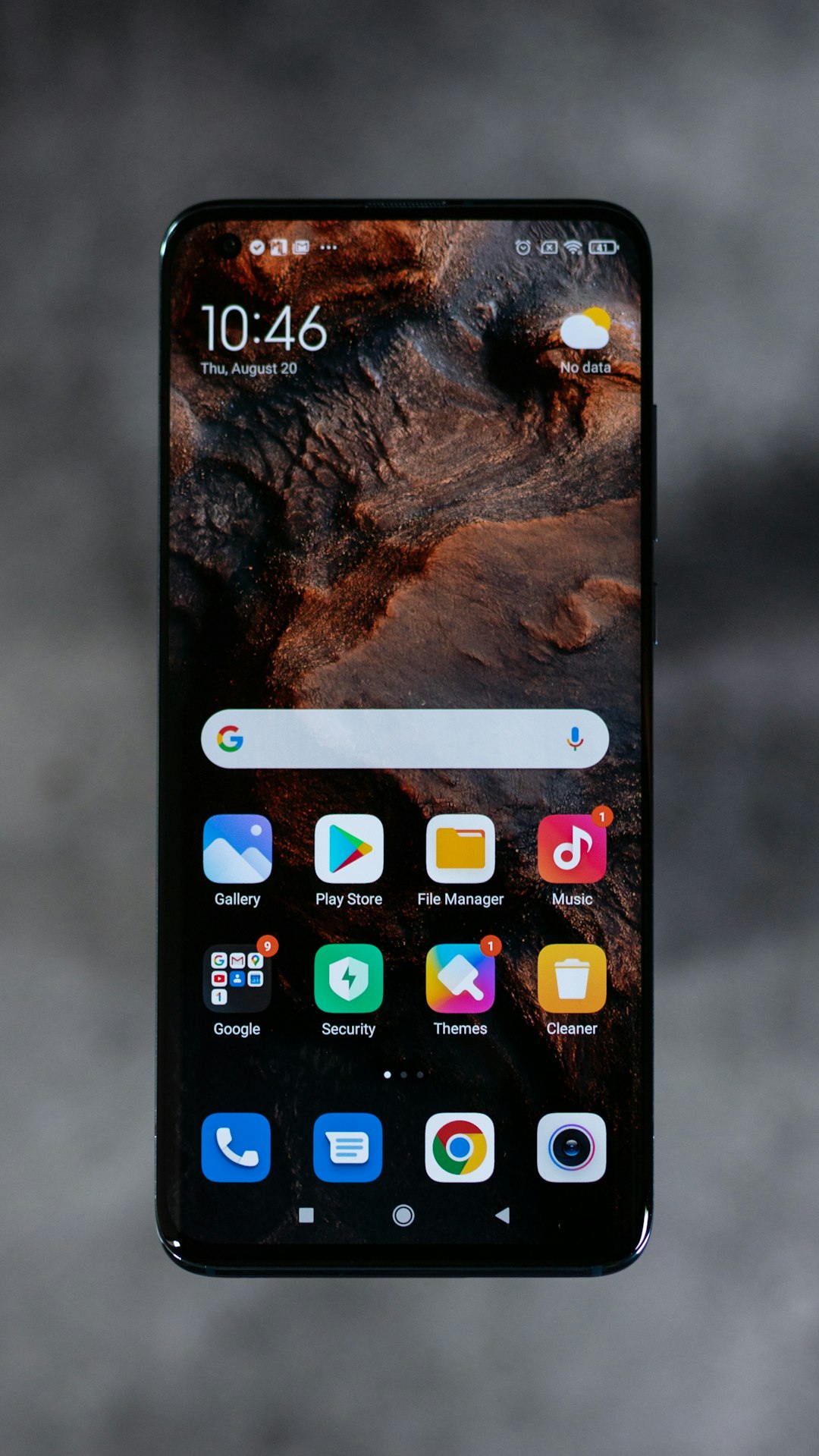
In Philadelphia, as across the nation, residents face an escalating problem of robocalls, leading many to seek protection and advocate for their rights. One effective strategy is to consult a Robocall Lawyer Philadelphia. These legal experts can offer invaluable guidance on navigating the complex landscape of consumer protections against automated phone calls. According to recent reports, over 80% of Americans experience unwanted robocalls daily, highlighting the urgent need for robust defenses.
A Robocall Lawyer Philadelphia is equipped to help residents understand their rights under the Telephone Consumer Protection Act (TCPA), a federal law designed to curb excessive robocalling. The TCPA allows consumers to file lawsuits against violators, seeking damages and injunctive relief. Legal counsel can assist in identifying potential violators, analyzing call records, and constructing a strong case for compensation. For instance, a successful lawsuit can result in monetary awards that deter future robocallers and compensate victims for their trouble.
Beyond legal action, these lawyers can also advise on the implementation of effective blocking tools and strategies. They may recommend specific apps or systems tailored to the unique needs of Philadelphia residents. By combining legal advocacy with practical solutions, a Robocall Lawyer Philadelphia plays a vital role in fostering a more peaceful and less disruptive communications environment for local citizens.
Related Resources
Here are some authoritative resources for an article on the best app for robocall prevention in Philadelphia homes:
- Federal Communications Commission (Government Portal) : [Regulator of communication technologies, offering insights into call blocking technology and consumer protection measures.] – https://www.fcc.gov/
- Philadelphia Department of Records (City Resource): [Provides information on local regulations regarding telemarketing and consumer privacy.] – https://www.phila.gov/dept/records/
- Nortel Security (Industry Leader) : [Offers insights into advanced call blocking solutions for businesses, potentially relevant for home users seeking robust protection.] – https://www.nortel.com/security
- University of Pennsylvania (Academic Study): [May have published research on consumer behavior regarding robocalls and effective prevention methods in urban areas like Philadelphia.] – https://www.upenn.edu/
- Consumer Reports (Independent Research Organization) : [Provides testing and reviews of various call-blocking apps, offering an independent perspective for consumers.] – https://www.consumerreports.org/
- Better Business Bureau (Community Resource): [Offers advice and resources on dealing with unwanted calls and protecting oneself from phone scams.] – https://www.bbb.org/
About the Author
Dr. Emily Williams is a leading telecommunications expert and data privacy advocate with over 15 years of experience. She holds a Ph.D. in Communication Studies and is certified in Cyber Security. Dr. Williams has been featured as a tech columnist for The Philadelphia Inquirer and is actively engaged on LinkedIn, where she shares insights on emerging technologies. Her area of expertise lies in developing innovative solutions for robocall prevention, ensuring consumer privacy, and shaping future communication regulations.