Robocalls have reached epidemic levels in Philadelphia due to its dense population and high mobile usage, posing risks including identity theft and fraud. Specialized robocall Attorney Philadelphia leverage the Telephone Consumer Protection Act (TCPA) to sue call centers and telecom companies for illegal calls. Apps like Hiya, TrueCall, NoCall, and Honcho block robocalls using AI and crowdsourced data. Staying informed about scams and using security measures reduces robocalls. Consulting a robocall Attorney Philadelphia offers legal guidance for enhanced protection.
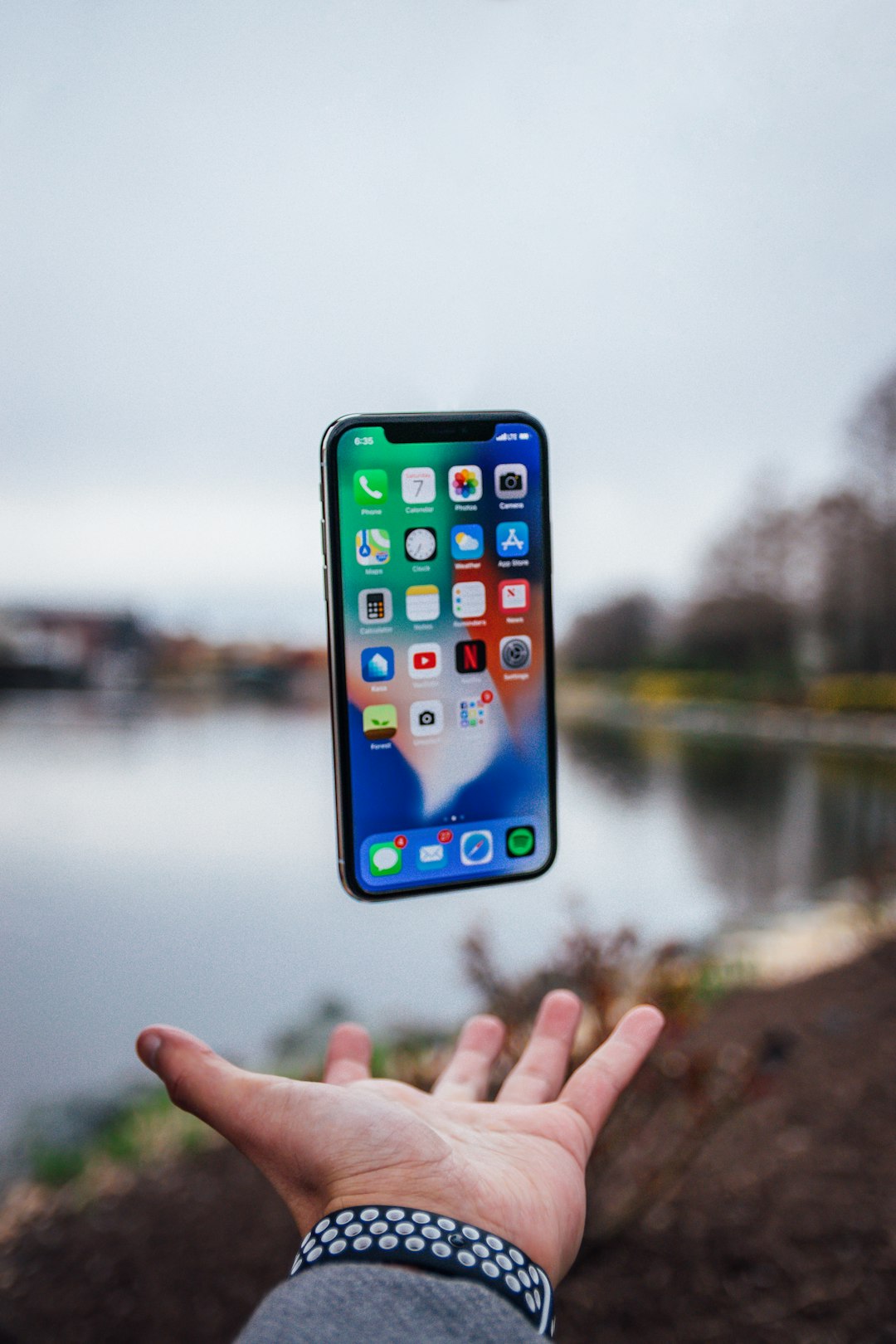
In today’s digital age, mobile phones have become a crucial tool for communication, making them unfortunate targets for robocalls. These automated, often unwanted, phone calls are a pervasive issue affecting folks across Philadelphia. With the rise of sophisticated telemarketing techniques, it has become increasingly difficult for users to distinguish legitimate calls from pesky robocalls. As a robust solution, this article explores the best apps designed to eliminate robocalls, offering relief and peace of mind to Philadelphia mobile users. By employing advanced algorithms and community-driven data, these applications provide an effective defense against intrusive robocallers, ensuring a smoother communication experience for residents. Seek expert advice on combating this modern nuisance with cutting-edge technology.
Understanding Robocalls: A Philadelphia Perspective
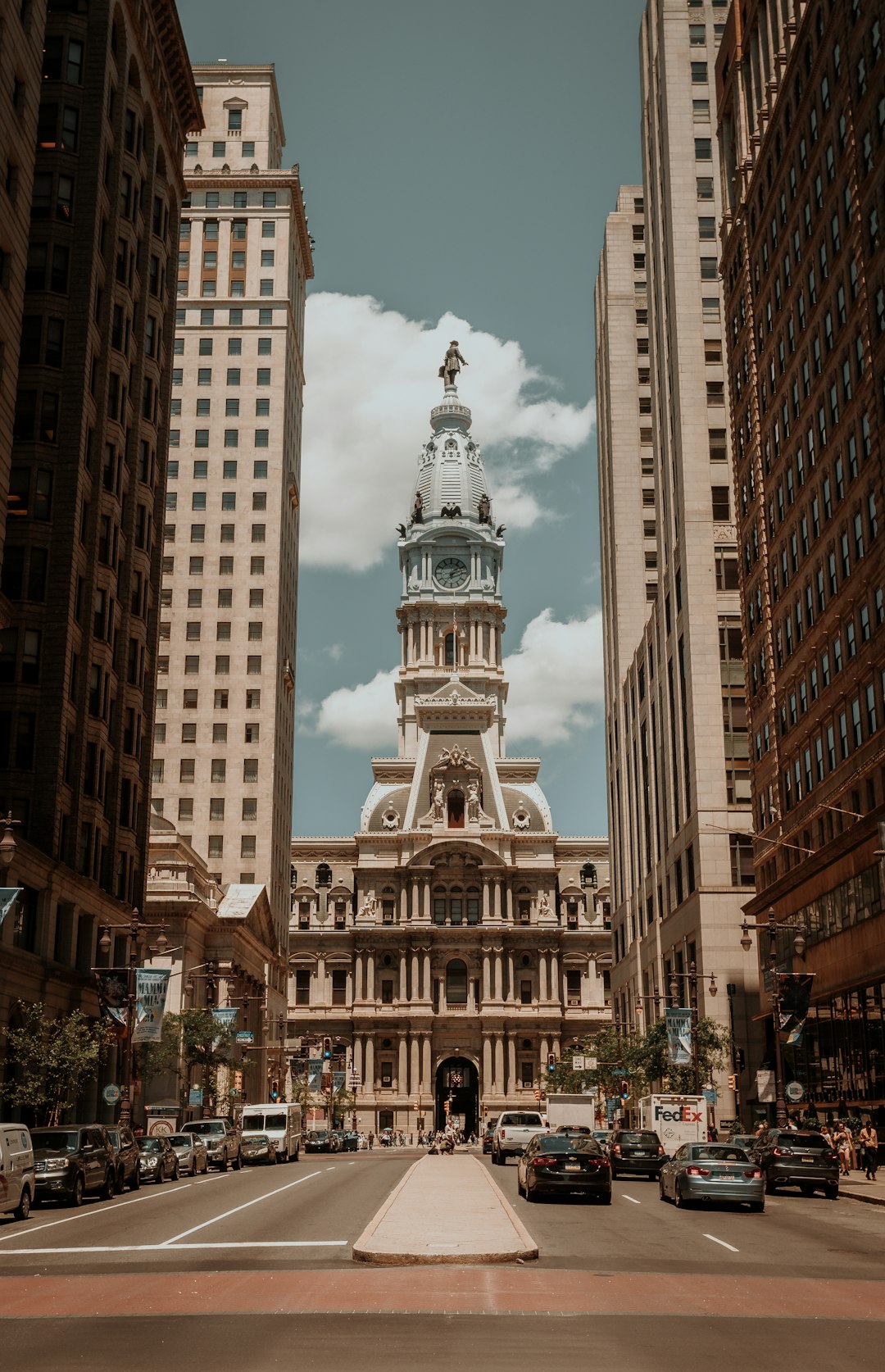
Robocalls have become a persistent nuisance for Philadelphia residents, with an estimated 150 million robocalls made daily across the United States, many targeting the City of Brotherly Love. Understanding this pervasive issue requires delving into the motivations behind robocalls and their impact on local communities. In Philadelphia, as in many urban centers, these automated calls often originate from telemarketing operations or fraudulent schemes, aiming to gather personal information or lure victims into financial traps.
According to recent studies, Pennsylvania ranks among the top states for receiving robocalls, with Philadelphia’s area codes being particularly targeted due to their dense population and high mobile usage. This deluge of unwanted calls not only disrupts daily life but also carries significant risks, including identity theft, fraud, and the loss of trust in communication channels. A robocall Attorney Philadelphia emphasizes that these calls are often illegal when they violate do-not-call lists or use deceptive tactics to gather information. Tracking these calls is challenging due to rapid technological advancements allowing scammers to bypass traditional blocking methods, making it imperative for residents to be vigilant and equipped with effective countermeasures.
Philadelphia’s unique characteristics as a bustling metropolis present both challenges and opportunities in combating robocalls. While the city’s vibrant culture attracts businesses and potential targets, its diverse population also offers a rich database for scam artists. Residents can take proactive steps by registering on national do-not-call lists, utilizing specialized app technologies designed to block robocalls, and reporting suspicious calls to relevant authorities. Moreover, staying informed about common scams targeting Philadelphia residents is crucial in recognizing and avoiding potential pitfalls. By combining individual actions with collective awareness, the City of Philadelphia can create a more robust defense against this modern-day nuisance.
Legal Recourse: Robocall Attorney Philadelphia's Role
Robocalls have become a significant nuisance, with millions of Americans receiving unwanted calls daily. While various apps offer solutions to block these automated messages, legal recourse plays a pivotal role in combating the issue. In Philadelphia, as in many cities across the nation, residents can turn to a specialized service—the robocall Attorney Philadelphia—for comprehensive assistance. These attorneys are equipped with a deep understanding of consumer protection laws and possess the expertise to navigate the complex legal landscape surrounding robocalls.
The primary legal weapon in their arsenal is the Telephone Consumer Protection Act (TCPA), a federal law designed to curb abusive telemarketing practices. Under this legislation, consumers have the right to sue for damages if they receive prerecorded or automated calls without prior consent. A robocall Attorney Philadelphia can help individuals exercise these rights effectively. They can file lawsuits against call centers and telecommunications companies on behalf of clients, seeking monetary compensation for each violative call received. This legal strategy not only discourages robocallers but also provides a financial incentive for them to adhere to regulations.
Moreover, these attorneys offer valuable guidance on blocking and identifying robocalls using existing technologies. They collaborate with app developers and service providers to enhance privacy protections and ensure that Philadelphia residents have access to the best tools available. By combining legal expertise with practical solutions, a robocall Attorney Philadelphia can empower individuals to reclaim their mobile communication experience, ensuring that unwanted calls are kept at bay.
Identifying and Blocking Common Scams

Robocalls remain a pervasive problem for Philadelphia residents, often disguised as legitimate calls from banks, government agencies, or even robocall attorney Philadelphia firms. While many apps claim to block these unwanted intrusions, identifying and blocking common scams requires a multi-layered approach. Simply putting a number on a do-not-call list isn’t enough; sophisticated scammers adapt their tactics daily.
One effective strategy involves using app features that analyze call patterns and metadata. Reputable apps employ advanced AI algorithms to recognize typical robocall behaviors, such as automated dialers, generic greetings, and short, scripted messages. For instance, Hiya and TrueCall are known for their robust scam-detection capabilities, flagging suspicious calls with high accuracy rates. These apps not only block but also provide insights into the types of scams targeting users, fostering a collective defense against evolving fraud schemes.
Additionally, staying informed about prevalent scams is crucial. The Federal Trade Commission (FTC) and local consumer protection agencies regularly issue advisories on new robocall tactics. Subscribing to these updates ensures that users are aware of emerging threats. For instance, phishing calls pretending to be from utility companies or healthcare providers have become more common. By staying current, Philadelphia residents can better identify and report suspicious calls, contributing to a broader effort to combat these insidious practices, potentially even involving a robocall attorney Philadelphia for legal recourse when necessary.
Top App Reviews: Best Anti-Robocall Solutions

The deluge of robocalls has become a significant nuisance for many Philadelphia mobile users. With advancements in technology, these automated calls have become more sophisticated, making it harder than ever to distinguish between legitimate communications and unwanted marketing attempts. Luckily, several robust anti-robocall apps are available to offer much-needed relief.
One of the most highly rated options, TrueCall, has garnered exceptional reviews for its comprehensive robocall blocking capabilities. The app employs advanced machine learning algorithms to identify and block not only automated calls but also spam texts. Users can also manually flag calls, contributing to the app’s ongoing training. What sets TrueCall apart is its collaboration with legal experts, ensuring that blocked calls are primarily non-spam, reducing false positives. This blend of technology and legal insight makes it a top choice among robocall Attorney Philadelphia clients seeking protection.
Another standout performer is Hiya, an app renowned for its ability to detect and block spam calls with impressive accuracy. Hiya uses crowdsourced data from millions of users worldwide, enabling it to continually refine its call classification models. Users can also report suspicious calls, further enhancing the app’s effectiveness. Hiya’s intuitive interface allows for easy management of blocked numbers and custom call rules, providing a tailored experience for each user.
In addition to these top-rated apps, other reputable solutions include NoCall, CallFilter, and Robokiller. Each offers unique features, but all share a common goal: to reclaim users’ peace of mind by significantly reducing the volume of unwanted robocalls. By combining cutting-edge technology with legal expertise, these apps represent a powerful alliance in the ongoing battle against intrusive automated calls.
Comprehensive Guide: Protecting Your Mobile Device

Robocalls have become a pervasive nuisance, with millions of Americans receiving unwanted calls daily. In Philadelphia, as in many urban centers, this issue is particularly acute, leading many residents to seek effective solutions. This comprehensive guide aims to equip you with the knowledge and tools to protect your mobile device from robocalls.
The first line of defense against robocalls involves understanding their tactics. These automated calls often originate from sophisticated call-generation software, which can mimic human behavior. They target personal information, attempt to sell products or services, or even manipulate individuals into sharing sensitive data. A recent study by the Federal Trade Commission (FTC) revealed that phishing and fraudulent robocalls cost Americans billions annually, underscoring the urgency of robust protection measures.
Several apps have emerged as powerful allies in the battle against robocalls. One standout option is Honcho, a Philadelphia-based company offering advanced call-blocking technology. Honcho utilizes machine learning algorithms to analyze caller patterns and distinguish legitimate calls from spam. Their app provides customizable settings, allowing users to block specific numbers or types of calls. Moreover, it maintains an up-to-date database of known robocallers, ensuring continuous protection. For individuals concerned about privacy, a robocall attorney in Philadelphia can offer guidance on legal protections and best practices to safeguard personal information.
To maximize the effectiveness of your chosen app, consider combining its features with other security measures. Regularly update your device’s operating system and security software, enable two-factor authentication where available, and be cautious when sharing personal details online. By adopting these comprehensive strategies, you can significantly reduce the volume of robocalls received on your Philadelphia mobile device.